Dreaming Beach: A Friendly Display Font for Modern Web Design
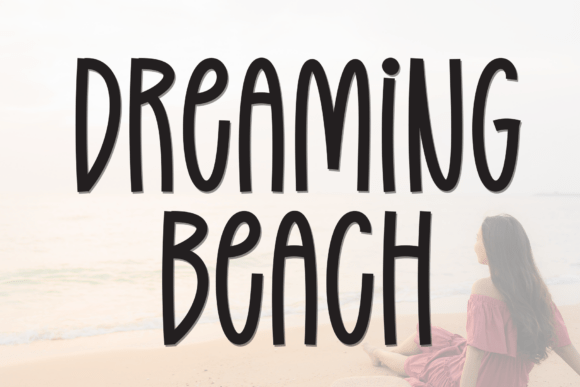
I was halfway through a redesign for a boutique wellness coach's landing page when the hero section felt completely off. The layout was clean, the imagery was soothing, but the typography lacked personality; it felt too corporate for a brand built on approachability and calm. That is exactly when I decided to test Dreaming Beach, a casual and neat display font that combines simplicity with a friendly, approachable vibe. As soon as I swapped the generic sans serif headline for this typeface, the entire mood of the page shifted. Featuring clean lines, balanced letterforms, and subtle rounded edges, it captures the essence of a relaxed yet professional digital presence, instantly making the content feel more inviting to potential clients.
Creating Approachable Hero Sections with Dreaming Beach Display Fonts
When working with Dreaming Beach in a live web environment, the first thing you notice is how well these display fonts perform in large-scale hero sections. In my recent project, I needed a headline that would sit comfortably over a soft, gradient background without demanding too much attention while still establishing a clear visual hierarchy. Because Dreaming Beach features clean lines and balanced letterforms, it maintains excellent legibility even at massive sizes on desktop screens. The subtle rounded edges soften the overall aesthetic, which is crucial for brands in the lifestyle, coaching, or creative sectors where trust and warmth are paramount. Unlike rigid geometric fonts that can feel cold, this typeface invites the user to scroll further, acting as a gentle guide rather than a shouting billboard.
Optimizing Mobile Readability for Casual Display Typography
A major concern when selecting any new display font is how it translates to mobile devices, where screen real estate is limited and readability is king. During the responsive testing phase of the coaching website, I scaled Dreaming Beach down for tablet and smartphone views to ensure the friendly vibe didn't turn into visual clutter. Fortunately, the neat structure of the font holds up remarkably well on smaller screens. The open counters and consistent stroke weights prevent the letters from blurring together, ensuring that headlines remain crisp on high-DPI mobile displays. For web designers, this means you can maintain brand consistency across all devices without needing to swap out your primary display font for a simpler alternative. It proves that a casual style does not have to sacrifice functionality or clarity in a mobile-first world.
Pairing Dreaming Beach with Sans Serif Fonts for Balanced Layouts
One of the most effective strategies in modern web design is creating contrast between your headings and your body copy, and Dreaming Beach pairs beautifully with neutral sans serif fonts. Since this is a display font with distinct personality, I found it worked best when anchored by a clean, utilitarian typeface for paragraphs and navigation menus. In the product landing page I was building, I paired the rounded charm of Dreaming Beach with a standard geometric sans serif for the detailed service descriptions. This combination allowed the headers to act as emotional hooks while the body text remained easy to scan and read. The result was a digital brand kit that felt cohesive yet dynamic, proving that mixing a friendly display font with a serious workhorse font is a reliable way to elevate user engagement.
Enhancing Brand Trust Through Consistent Visual Identity
Beyond just aesthetics, the choice of typography plays a significant role in how users perceive brand reliability. When I implemented Dreaming Beach across the call-to-action buttons and section dividers, the site began to feel like a unified entity rather than a collection of disparate elements. The casual and neat nature of the font suggests a brand that is confident enough to be relaxed but disciplined enough to stay organized. For online store owners and course creators, this balance is essential; you want to appear accessible to customers without looking unprofessional. By using Dreaming Beach consistently in headers, banners, and promotional graphics, you create a recognizable visual language that helps users navigate your content with ease and confidence.
Selecting the Right Commercial Font License for Client Projects
Before finalizing any design asset for a client, especially when using premium display fonts, it is vital to verify the licensing terms to ensure commercial viability. Dreaming Beach is designed for versatility, making it suitable for everything from web design and social media graphics to packaging design and logo creation. However, as a responsible designer, I always check if the license covers the specific mediums my client intends to use, such as embedding the font in a web application or using it in paid digital advertisements. Understanding the file formats available—whether OpenType, Webfont, or variable fonts—ensures that the integration process is smooth and that the font renders correctly across different browsers. Taking these steps guarantees that the friendly, approachable vibe of Dreaming Beach remains intact throughout the lifecycle of the brand identity.
Elevating Digital Ads and Social Media Graphics with Rounded Edges
The utility of Dreaming Beach extends far beyond the website itself, serving as a powerful tool for broader marketing campaigns. I recently used this typeface to create a series of Instagram story highlights and Facebook ad creatives for the same wellness brand, and the results were striking. The subtle rounded edges of the font make short phrases pop against busy image backgrounds, capturing attention in the split second a user scrolls past. Because it is a display font that captures the essence of simplicity, it works exceptionally well for limited-text graphics where the message needs to be understood instantly. Whether you are designing a course sales page or a seasonal campaign landing page, incorporating Dreaming Beach into your visual assets ensures that your marketing materials feel like a natural extension of your core web experience.